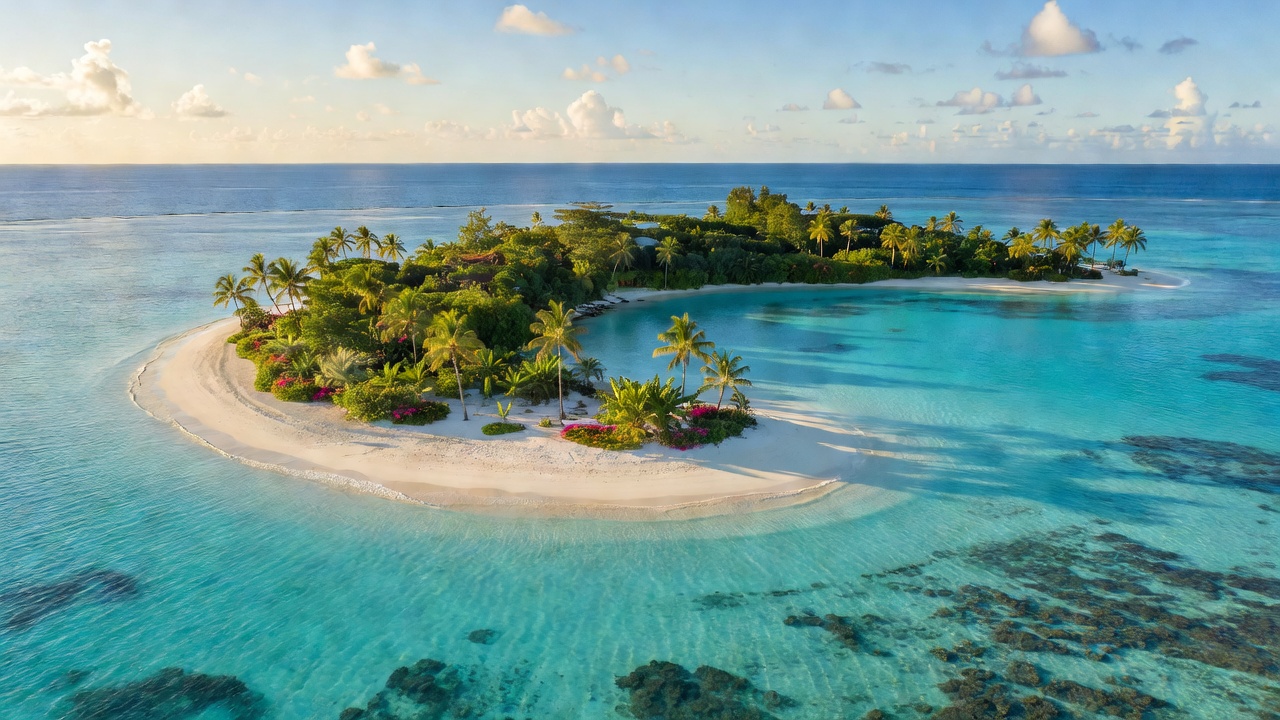
For tech founders, sovereign wealth managers, and industrial magnates, owning a trophy penthouse in Manhattan or Mayfair is merely the starting point. The ultimate statement of autonomy and privacy is acquiring a private island compound. However, transitioning from real estate buyer to island sovereign involves navigating international maritime treaties, sovereign permits, and complex off-grid civil engineering.
Freehold vs. Leasehold Jurisdiction Structures
The first critical distinction when acquiring private island real estate is the legal property title structure:
- Freehold Ownership (e.g., The Bahamas, Fiji): Grants absolute ownership of the land mass down to the high-water mark. Freehold islands allow permanent structural development, private helipad approvals, and perpetual generation inheritance.
- Crown Leaseholds (e.g., French Polynesia, Greece): Involves long-term 99-year leases backed by government ministries, requiring periodic environmental impact reviews and local labor hiring commitments.
Infrastructure Engineering: Power, Water & Access
Developing an undeveloped island into an ultra-luxury compound requires multi-million dollar investments before a single villa foundation is poured. Key operational necessities include:
1. Solar Microgrids & Battery Storage: Installing 500kW Tesla Powerpack solar arrays to ensure zero-carbon self-sufficiency without noise pollution from diesel generators.
2. Reverse-Osmosis Desalination: Industrial water filtration systems pumping up to 20,000 gallons of potable water daily from seawater intake pipes.
3. Deep-Water Docking & Aviation: Dredging access channels for 60m superyacht tenders and installing floating concrete landing docks compliant with aviation authority seaplane standards.