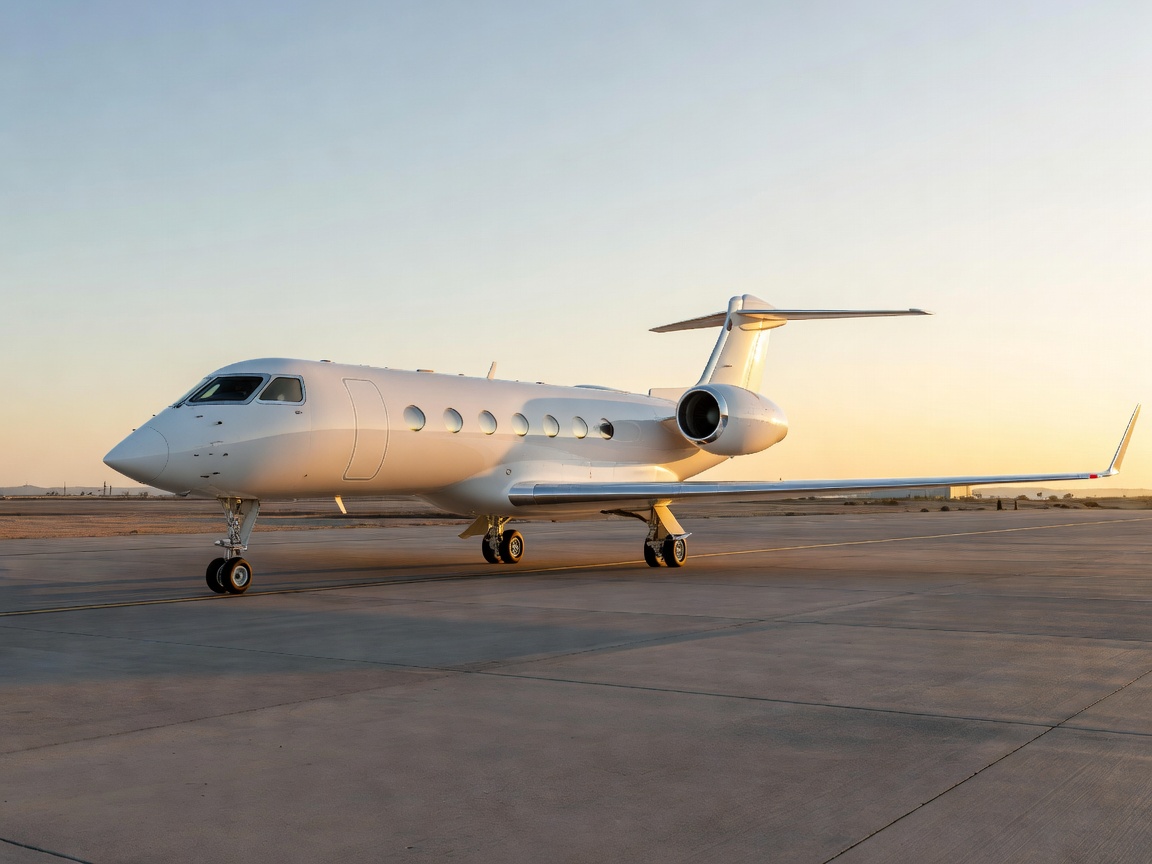
In the ultra-long-range business aviation sector, two iconic flagships battle for supremacy: the Gulfstream G700 and the Bombardier Global 7500. Valued at upwards of $78 million each before bespoke cabin customization, these aircraft allow family offices and corporate leaders to connect continents non-stop at Mach 0.90 speed.
7,700 Nautical Mile Transoceanic Range
Both the G700 and Global 7500 possess the aerodynamic capability to connect Tokyo to New York, London to Singapore, or Los Angeles to Sydney without refuel stops. Powered by next-generation Rolls-Royce Pearl 700 or GE Passport engines, they deliver unprecedented fuel efficiency alongside ultra-quiet cabin acoustics.
"An ultra-long-range jet is not a luxury mobility vehicle—it is a mobile boardroom, a private bedroom, and a time machine for global decision makers."
Cabin Architecture: Up to Five Living Zones
The physical dimensions inside these twin-engine flagships enable layout customization previously reserved for commercial airliners:
- Grand Master Suite: Fixed double bed with custom hand-stitched leather headboards, wardrobe storage, and en-suite lavatories with optional stand-up walk-in showers.
- Circadian Rhythm Lighting: LED lighting arrays simulating natural sunrise and sunset phases to reduce jet lag on 14-hour transpacific flights.
- Lowest Cabin Pressure Altitude: Cabin pressure maintained at 2,900 feet while flying at FL410, ensuring passengers arrive energized without fatigue.
- Ka-band High-Speed Satellite Wi-Fi: Continuous 50 Mbps encrypted connectivity for live video conferencing and encrypted trading terminal access.
Annual Operational Expense Analysis
Flight operations for a G700 or Global 7500 require an annual commitment of roughly $4.5 million to $6 million based on 400 flight hours annually. Fixed costs include pilot retainers, flight attendant salaries, hangar storage fees, hull insurance, and mandatory avionics maintenance schedules.